
Is your garage door closing halfway then suddenly reversing back up? You’re not alone. This is one of the most frustrating garage door issues for homeowners in Westchester County, and it can leave your home exposed and your routine disrupted. The good news? Most of the time, the problem is fixable and in many cases, preventable.
At On Track Garage Doors, we specialize in troubleshooting issues like these every day. Here’s what causes garage doors to reverse mid-close and what you can do to get things back on track.
1. Safety Sensors Are Blocked or Misaligned
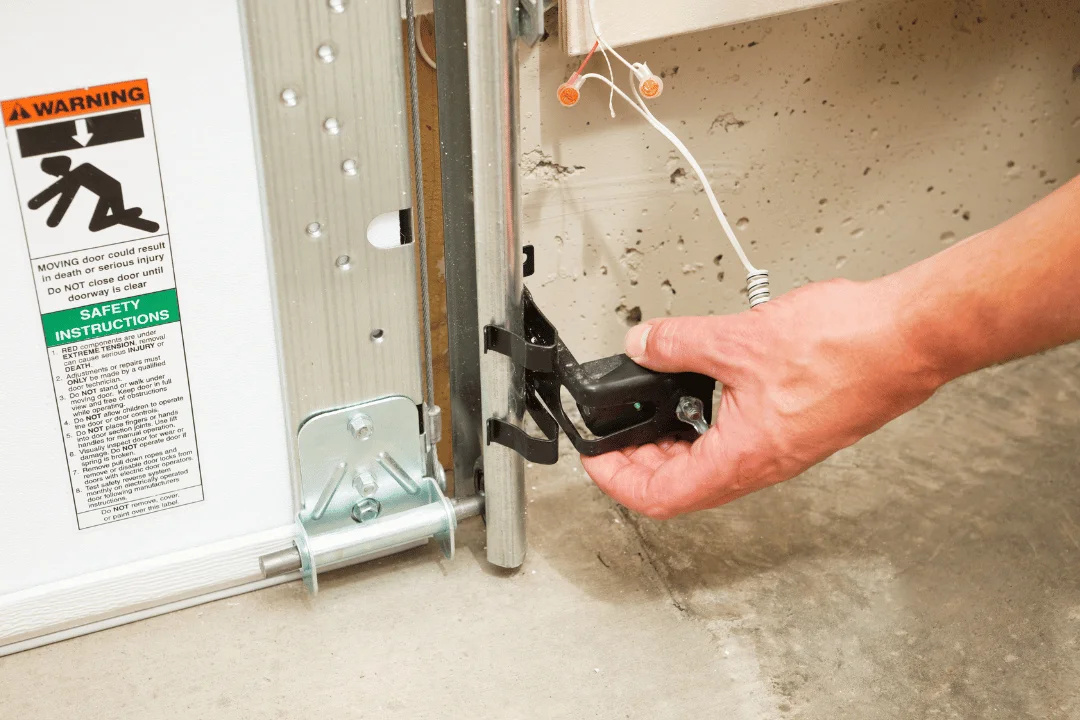
Your garage door opener relies on two small photo-eye sensors near the bottom of the tracks to detect movement. If something blocks the beam or the sensors are misaligned the system thinks something is in the way and automatically reverses to prevent injury or damage.
What to check:
- Make sure nothing is blocking the sensors (leaves, dust, toys, etc.)
- Confirm that the sensors are pointing directly at each other (a blinking light often means they’re misaligned)
 What to do:
Gently clean the lenses and realign the sensors. If that doesn’t help, you may need a sensor recalibration or replacement.
2. The Close-Force Setting Is Too Sensitive
Modern garage door openers have a built-in force setting that controls how much resistance the door can meet before reversing. If the setting is too low, even normal friction from the rollers or tracks can cause the door to reverse.
What to do:
Check your opener’s manual for how to adjust the force setting (usually via dials or digital controls). If you’re unsure, a tech from On Track Garage Doors can recalibrate it safely.
3. Track Obstructions or Damage
If the garage door tracks are dirty, dented, or out of alignment, they can cause the door to get stuck partway down. When the opener senses resistance, it reverses automatically as a built-in safety feature.
What to check:
- Inspect tracks for debris, rust, or visible damage
- Listen for grinding or squeaking when the door moves
 What to do:
Clean the tracks with a soft brush and gentle cleaner. Don’t lubricate the tracks (this can cause roller slip). For dented or bent sections, it’s best to call a professional for track repair or replacement.
4. Damaged or Worn Rollers
Rollers help the door glide smoothly along the tracks. If they’re worn out, they can cause friction or wobbling that disrupts the closing process.
What to do:
Check the rollers for wear, cracks, or popping off the track. If they’re noisy or unstable, replacing them with high-quality nylon rollers may be the solution.
5. Electrical or Logic Board Failure
Sometimes, it’s not the mechanic, it’s the opener itself. If the logic board or wiring is malfunctioning, the system might misread sensor data or respond erratically.
What to do:
If you’ve ruled out all physical causes, it may be time for opener inspection or replacement. Our technicians can test your unit and recommend repair or upgrade options.
 Don’t Ignore Reversing Issues
A garage door that won’t close fully isn’t just annoying, it’s a safety and security risk. Plus, forcing the door or overriding sensors can damage your opener or void your warranty.
Get It Fixed Right The First Time
If your garage door keeps reversing mid-close, On Track Garage Doors is here to help. We serve homeowners across Westchester County with expert diagnostics, same-day service, and honest solutions.
Contact us today for safe, reliable garage door repair.